
Heat Pumps and Solar Together: When the Combination Makes the Most Sense
Heat Pumps and Solar Together: When the Combination Makes the Most Sense
Heat Pumps and Solar Together: When the Combination Makes the Most Sense
Last updated:
Last updated:
0
0
min read
min read
Heat Pumps and Solar Together: When the Combination Makes the Most Sense
Last updated:
0
min read
Introduction
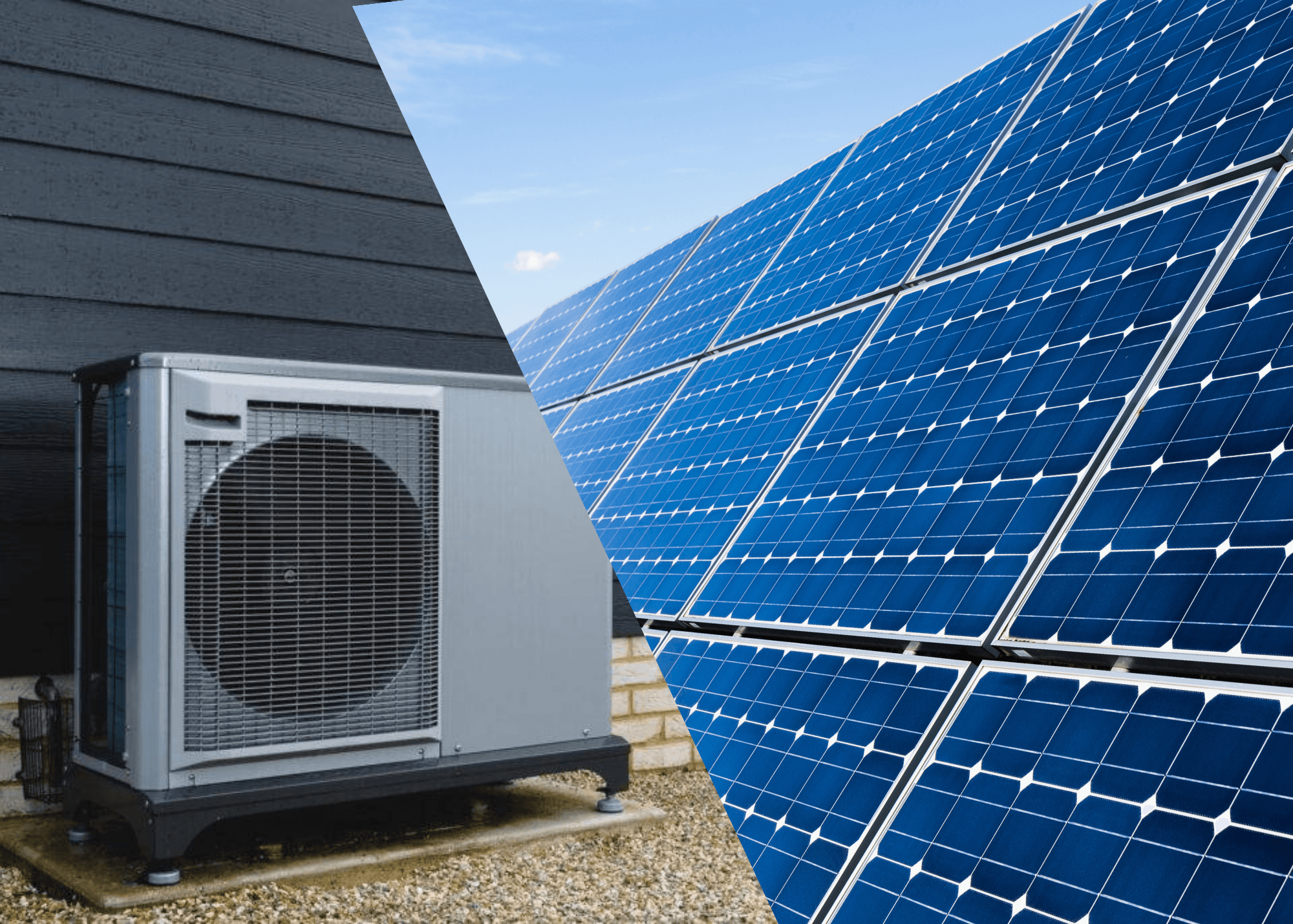
Solar and heat pumps can work extremely well together, but they should not be treated as an automatic package deal.
For some Massachusetts homeowners, adding solar before or alongside a heat pump can improve the financial case by reducing how much new electricity the home needs to buy from the utility. A heat pump may reduce reliance on oil, propane, or natural gas, but it usually increases electricity use. Solar can help offset that added load when the system is sized with the heat pump in mind.
When the design is based on the home’s real energy use, including future heating and cooling needs, the homeowner gets a more accurate picture of expected production, utility savings, and long-term cost reduction. The result is not just “solar plus a heat pump.” It is a more coordinated path toward lower fossil fuel use and whole-home electrification.
But the order matters. A home with heavy shading due to trees, an undersized solar design, or uncertain heating plans may need a different sequence. In some cases, it makes more sense to install the heat pump first, collect a year of usage data, and then size the solar system around the new electric load.
This article explains when solar and heat pumps make the most financial sense together, when they should be handled separately, and how to think through the timing before committing to either project.
Why the Combination Is More Than the Sum of Its Parts
A solar system reduces what you pay for electricity. A heat pump moves your home's heating and cooling onto electricity. Put them together, and you get something more useful than either delivers alone: a home that generates its own energy and uses it efficiently.
A solar installation sized for your current electricity usage, before a heat pump is added, will almost always be undersized once the heat pump is running. Heat pumps increase electric consumption, sometimes substantially, depending on what fuel source they're replacing.
If you installed solar two years ago and are now considering a heat pump, it's worth having someone check whether your system can handle the added load, or whether you'll be drawing more from the grid than you'd planned.
When both are designed together, or when a heat pump’s energy profile is accounted for before solar is installed, the solar array can be sized around the home’s future electric load rather than its current utility bill. That gives the homeowner a clearer production target, a more accurate savings model, and a better chance of offsetting the electricity the heat pump will actually use.
This is where the combination becomes compelling: the heat pump reduces reliance on fossil fuels, and the solar system helps supply the additional electricity needed to make that shift work financially.
Combining Heat Pumps and Solar: When It Works Best
Pairing solar with a heat pump works best when both decisions are part of the same long-term energy plan. The goal is not to bundle projects for the sake of doing more at once. It is to understand how a heat pump will change the home’s electric use and whether solar can be designed to offset that future load.
For some Massachusetts homeowners, it makes sense to evaluate both projects at the same time, even if the work happens in phases. These are the situations where combined planning is most useful.
Your Heating System is at the End of its Life
If an oil boiler or gas furnace is aging out and will need to be replaced soon, that is a natural moment to evaluate whether a heat pump belongs in the plan.
The cost may be “better” because the homeowner is already facing a major equipment expense. Instead of spending that money on another fossil-fuel system that will keep the home tied to oil or gas prices for the next 15 to 20 years, they can compare the replacement with a heat pump that may reduce fuel dependence, improve efficiency, and fit into a longer-term solar strategy.
That does not mean the heat pump is automatically the cheaper choice upfront. The point is that the replacement decision is already on the table. If solar is also being considered, it may make sense to size the solar system around the home’s future electric load rather than install solar for today’s usage and revisit the math later.
You Heat with Oil
For many Massachusetts homeowners, this is exactly the climate in which pairing solar with heat pumps deserves a serious look.
Homes that still rely on oil heat may see one of the strongest financial cases. Oil is expensive, price volatility is common, and many older oil systems are approaching the point at which replacement decisions must be made. A modern cold-climate heat pump can deliver heat far more efficiently, and when that added electric load is offset in part by solar production, the home can reduce its dependence on oil over time.
That does not mean every oil-heated home should switch all at once. But in Massachusetts, where cold-climate heat pumps are increasingly practical, and many homeowners are already evaluating solar, oil heat is often one of the clearest reasons to consider both systems together.
You’re Already Doing Home Renovations
Mobilizing contractors once instead of twice reduces disruption and sometimes costs. If your roof needs replacing before solar makes sense anyway, bundling that project with a heat pump installation is a natural fit.
You Want a Clearer View of the Full Project Cost
Timing can matter when rebates, financing, and installation schedules are involved. Looking at solar and heat pumps together can make it easier to understand the project's full cost, the incentives that may apply, and the expected return over time.
That does not mean every homeowner should complete both projects in the same year. But when both upgrades are already part of the plan, evaluating them together can help avoid disconnected decisions and give the homeowner a more accurate financial picture.
You Want to Reduce Long-Term Energy Dependence
Homeowners who have already thought through their long-term energy needs may decide that solar and heat pumps should be planned together, even if the work happens in phases.
The goal is not simply to install more equipment. It is to make sure each upgrade supports the next one. A heat pump changes the home’s electric load. Solar can offset part of that load. When both are evaluated together, the system can be designed around the home’s future energy use instead of only today’s utility bill.
When Combining Heat Pumps and Solar May Not Work
A newer, well-functioning HVAC system does not need to be replaced just because solar is being considered. In that situation, solar can still move forward, but the design should account for the possibility of a future heat pump, so the system is not sized only around today’s electric use.
The same logic applies to insulation and air sealing. A leaky or poorly insulated home may need envelope improvements before solar or heat pump sizing is finalized. Reducing the home’s energy load first can change the size, cost, and expected performance of both systems.
The goal is to avoid designing an expensive energy system around inefficiencies that could have been corrected earlier. A good plan considers the current equipment, the home’s envelope, and future electrical loads before deciding what should happen first.
How Great Sky Evaluates Fit
When someone comes to us interested in solar and mentions they're also considering a heat pump, we ask a few questions before we discuss system size. What are you heating with now? How old is that system? What are your annual fuel costs? What does your current electricity usage look like across the year? Are you thinking about an EV or any additions to the home in the next few years?
Those answers can change what we recommend. For homeowners who are good candidates for the combination of solar and heat pump, we build the solar proposal around the electrified home's anticipated energy needs, not just today's electric bill. That means the system we install will actually do the work it's supposed to do, rather than leaving you pulling from the grid every winter because no one modeled for your heat pump.
For homeowners who aren't ready to pair yet, we'll be straightforward about that too. We'd rather tell you to fix your insulation first and come back in a year than sell you a system that underperforms.
What the MassSave 0% Loan Means for Heat Pump + Solar
One of the most important pieces of context for Massachusetts homeowners considering this combination is the Mass Save HEAT Loan. This program offers 0% interest financing up to $25,000 for qualifying energy efficiency upgrades, including heat pumps.
When you're evaluating the combined cost of a solar installation and a heat pump, the ability to finance the heat pump at 0% through Mass Save means your out-of-pocket outlay can be significantly lower than the sticker price suggests. The monthly loan payment often comes in well below what homeowners were spending on oil or gas, which means the transition can be cash-flow neutral or positive from the start.
Mass Save rebates for heat pumps remain available in 2026, though the amounts have been reduced compared to prior years. Whole-home heat pump installations are currently capped at $8,500 in rebates, with enhanced amounts available for income-qualified households. These can be layered with the 0% financing to further reduce the effective cost.
One equipment note worth knowing: as of 2026, only heat pumps using R-32 or R-454B refrigerant qualify for Mass Save rebates. Systems using the older R-410A refrigerant are no longer on the qualified product list. Any reputable installer will know this, but it's worth confirming before you sign a contract.
The Long View
The financial case is strongest over a 10 to 15-year horizon. In the early years, the goal is simple: pay less than you were paying before, with more predictable costs. Over time, as loan payments end and energy prices keep climbing, the gap widens.
Homeowners who've done this describe the same outcome. Lower bills. A home that's more comfortable year-round. No more oil deliveries, no watching the price of gas tick up every winter. That's what the combination actually delivers when it's done right.
Ready to See If the Combination Makes Sense for Your Home?
Every home is different, and the right answer depends on your heating system, energy usage, roof, and timeline. We're happy to walk through your specific situation, review your current energy costs, and give you a straight assessment of whether pairing solar with a heat pump makes sense for you right now, or whether a different sequence would lead to a better outcome.
No pressure. No oversized proposals designed to maximize commission like other companies. Just an accurate picture of what your home can do and what it will cost.
Get in touch with Great Sky Solar
to start the conversation.
Introduction
Solar and heat pumps can work extremely well together, but they should not be treated as an automatic package deal.
For some Massachusetts homeowners, adding solar before or alongside a heat pump can improve the financial case by reducing how much new electricity the home needs to buy from the utility. A heat pump may reduce reliance on oil, propane, or natural gas, but it usually increases electricity use. Solar can help offset that added load when the system is sized with the heat pump in mind.
When the design is based on the home’s real energy use, including future heating and cooling needs, the homeowner gets a more accurate picture of expected production, utility savings, and long-term cost reduction. The result is not just “solar plus a heat pump.” It is a more coordinated path toward lower fossil fuel use and whole-home electrification.
But the order matters. A home with heavy shading due to trees, an undersized solar design, or uncertain heating plans may need a different sequence. In some cases, it makes more sense to install the heat pump first, collect a year of usage data, and then size the solar system around the new electric load.
This article explains when solar and heat pumps make the most financial sense together, when they should be handled separately, and how to think through the timing before committing to either project.
Why the Combination Is More Than the Sum of Its Parts
A solar system reduces what you pay for electricity. A heat pump moves your home's heating and cooling onto electricity. Put them together, and you get something more useful than either delivers alone: a home that generates its own energy and uses it efficiently.
A solar installation sized for your current electricity usage, before a heat pump is added, will almost always be undersized once the heat pump is running. Heat pumps increase electric consumption, sometimes substantially, depending on what fuel source they're replacing.
If you installed solar two years ago and are now considering a heat pump, it's worth having someone check whether your system can handle the added load, or whether you'll be drawing more from the grid than you'd planned.
When both are designed together, or when a heat pump’s energy profile is accounted for before solar is installed, the solar array can be sized around the home’s future electric load rather than its current utility bill. That gives the homeowner a clearer production target, a more accurate savings model, and a better chance of offsetting the electricity the heat pump will actually use.
This is where the combination becomes compelling: the heat pump reduces reliance on fossil fuels, and the solar system helps supply the additional electricity needed to make that shift work financially.
Combining Heat Pumps and Solar: When It Works Best
Pairing solar with a heat pump works best when both decisions are part of the same long-term energy plan. The goal is not to bundle projects for the sake of doing more at once. It is to understand how a heat pump will change the home’s electric use and whether solar can be designed to offset that future load.
For some Massachusetts homeowners, it makes sense to evaluate both projects at the same time, even if the work happens in phases. These are the situations where combined planning is most useful.
Your Heating System is at the End of its Life
If an oil boiler or gas furnace is aging out and will need to be replaced soon, that is a natural moment to evaluate whether a heat pump belongs in the plan.
The cost may be “better” because the homeowner is already facing a major equipment expense. Instead of spending that money on another fossil-fuel system that will keep the home tied to oil or gas prices for the next 15 to 20 years, they can compare the replacement with a heat pump that may reduce fuel dependence, improve efficiency, and fit into a longer-term solar strategy.
That does not mean the heat pump is automatically the cheaper choice upfront. The point is that the replacement decision is already on the table. If solar is also being considered, it may make sense to size the solar system around the home’s future electric load rather than install solar for today’s usage and revisit the math later.
You Heat with Oil
For many Massachusetts homeowners, this is exactly the climate in which pairing solar with heat pumps deserves a serious look.
Homes that still rely on oil heat may see one of the strongest financial cases. Oil is expensive, price volatility is common, and many older oil systems are approaching the point at which replacement decisions must be made. A modern cold-climate heat pump can deliver heat far more efficiently, and when that added electric load is offset in part by solar production, the home can reduce its dependence on oil over time.
That does not mean every oil-heated home should switch all at once. But in Massachusetts, where cold-climate heat pumps are increasingly practical, and many homeowners are already evaluating solar, oil heat is often one of the clearest reasons to consider both systems together.
You’re Already Doing Home Renovations
Mobilizing contractors once instead of twice reduces disruption and sometimes costs. If your roof needs replacing before solar makes sense anyway, bundling that project with a heat pump installation is a natural fit.
You Want a Clearer View of the Full Project Cost
Timing can matter when rebates, financing, and installation schedules are involved. Looking at solar and heat pumps together can make it easier to understand the project's full cost, the incentives that may apply, and the expected return over time.
That does not mean every homeowner should complete both projects in the same year. But when both upgrades are already part of the plan, evaluating them together can help avoid disconnected decisions and give the homeowner a more accurate financial picture.
You Want to Reduce Long-Term Energy Dependence
Homeowners who have already thought through their long-term energy needs may decide that solar and heat pumps should be planned together, even if the work happens in phases.
The goal is not simply to install more equipment. It is to make sure each upgrade supports the next one. A heat pump changes the home’s electric load. Solar can offset part of that load. When both are evaluated together, the system can be designed around the home’s future energy use instead of only today’s utility bill.
When Combining Heat Pumps and Solar May Not Work
A newer, well-functioning HVAC system does not need to be replaced just because solar is being considered. In that situation, solar can still move forward, but the design should account for the possibility of a future heat pump, so the system is not sized only around today’s electric use.
The same logic applies to insulation and air sealing. A leaky or poorly insulated home may need envelope improvements before solar or heat pump sizing is finalized. Reducing the home’s energy load first can change the size, cost, and expected performance of both systems.
The goal is to avoid designing an expensive energy system around inefficiencies that could have been corrected earlier. A good plan considers the current equipment, the home’s envelope, and future electrical loads before deciding what should happen first.
How Great Sky Evaluates Fit
When someone comes to us interested in solar and mentions they're also considering a heat pump, we ask a few questions before we discuss system size. What are you heating with now? How old is that system? What are your annual fuel costs? What does your current electricity usage look like across the year? Are you thinking about an EV or any additions to the home in the next few years?
Those answers can change what we recommend. For homeowners who are good candidates for the combination of solar and heat pump, we build the solar proposal around the electrified home's anticipated energy needs, not just today's electric bill. That means the system we install will actually do the work it's supposed to do, rather than leaving you pulling from the grid every winter because no one modeled for your heat pump.
For homeowners who aren't ready to pair yet, we'll be straightforward about that too. We'd rather tell you to fix your insulation first and come back in a year than sell you a system that underperforms.
What the MassSave 0% Loan Means for Heat Pump + Solar
One of the most important pieces of context for Massachusetts homeowners considering this combination is the Mass Save HEAT Loan. This program offers 0% interest financing up to $25,000 for qualifying energy efficiency upgrades, including heat pumps.
When you're evaluating the combined cost of a solar installation and a heat pump, the ability to finance the heat pump at 0% through Mass Save means your out-of-pocket outlay can be significantly lower than the sticker price suggests. The monthly loan payment often comes in well below what homeowners were spending on oil or gas, which means the transition can be cash-flow neutral or positive from the start.
Mass Save rebates for heat pumps remain available in 2026, though the amounts have been reduced compared to prior years. Whole-home heat pump installations are currently capped at $8,500 in rebates, with enhanced amounts available for income-qualified households. These can be layered with the 0% financing to further reduce the effective cost.
One equipment note worth knowing: as of 2026, only heat pumps using R-32 or R-454B refrigerant qualify for Mass Save rebates. Systems using the older R-410A refrigerant are no longer on the qualified product list. Any reputable installer will know this, but it's worth confirming before you sign a contract.
The Long View
The financial case is strongest over a 10 to 15-year horizon. In the early years, the goal is simple: pay less than you were paying before, with more predictable costs. Over time, as loan payments end and energy prices keep climbing, the gap widens.
Homeowners who've done this describe the same outcome. Lower bills. A home that's more comfortable year-round. No more oil deliveries, no watching the price of gas tick up every winter. That's what the combination actually delivers when it's done right.
Ready to See If the Combination Makes Sense for Your Home?
Every home is different, and the right answer depends on your heating system, energy usage, roof, and timeline. We're happy to walk through your specific situation, review your current energy costs, and give you a straight assessment of whether pairing solar with a heat pump makes sense for you right now, or whether a different sequence would lead to a better outcome.
No pressure. No oversized proposals designed to maximize commission like other companies. Just an accurate picture of what your home can do and what it will cost.
Get in touch with Great Sky Solar
to start the conversation.
Share this post


Smarter Energy Starts Here.
Powered by the Sun | © Great Sky Solar | All Rights Reserved
Smarter Energy Starts Here.
Powered by the Sun | © Great Sky Solar | All Rights Reserved
Smarter Energy Starts Here.
Powered by the Sun | © Great Sky Solar | All Rights Reserved