
Massachusetts Solar and Heat Pump Incentives for 2026
Massachusetts Solar and Heat Pump Incentives for 2026
Massachusetts Solar and Heat Pump Incentives for 2026
Last updated:
Last updated:
0
0
min read
min read
Massachusetts Solar and Heat Pump Incentives for 2026
Last updated:
0
min read
Introduction
Massachusetts homeowners still have meaningful incentives for solar, heat pumps, and whole-home electrification in 2026, but the decision is more complicated than a single rebate or tax credit.
The federal incentive landscape has changed, financing structures are evolving, and many homeowners are hearing oversimplified advice about what they should do next. That does not mean the opportunity has disappeared. It means the numbers need to be evaluated more carefully.
For some homes, solar may still be the right first move. For others, heat pumps, insulation, electrical planning, or a phased approach may make more sense. The best answer depends on the home’s energy use, existing equipment, available incentives, and long-term goals.
This guide explains how Massachusetts solar incentives and heat pump rebates work in 2026, what has changed, and how to think through the decision before committing to a project.
Massachusetts Solar and Heat Pump Incentives in 2026
Many homeowners are still asking this question in a very black-and-white way: Are there Massachusetts solar and heat pump incentives in 2026?
Yes, but the answer is more nuanced than it used to be.
The federal residential solar tax credit is no longer available as it was before, and that has changed the market. Still, Massachusetts remains one of the stronger states for homeowners looking at solar and electrification. Massachusetts solar incentives, Mass Save heat pump rebates, utility bill savings, and financing options can still create meaningful long-term value.
For homeowners in Massachusetts, the path forward is less about reacting to a single federal change and more about understanding how state programs continue to shape the economics of solar panels, heat pumps, and broader home energy upgrades.
Massachusetts Solar Incentives
Massachusetts solar incentives can still make solar financially attractive in 2026, but not for the reasons people sometimes expect.
This is not really a story about one dramatic rebate. In most cases, solar savings in Massachusetts come from the stacked value over time. A well-designed solar system can reduce purchased electricity, generate utility bill credits through Massachusetts net metering, and create ongoing value tied to system production. That layered structure is one reason solar can still work well in Massachusetts even after federal changes.
At the same time, this is where homeowners need to be careful. When a solar proposal sounds especially attractive, the important question is not just what the system costs. The more important question is whether the performance assumptions are realistic and whether the savings projections are based on honest modeling.
SMART Program and Solar Credits in Massachusetts
The federal Residential Clean Energy Credit under Section 25D expired on December 31, 2025, so homeowners can no longer claim it in 2026. However, some third-party-owned solar projects may still be eligible for the federal Section 48E credit. In those arrangements, the credit is typically claimed by the project owner and may be reflected through pricing or financing rather than through a homeowner's tax return. That makes it even more important to understand what value may still be available at the state level in Massachusetts.
One of the most discussed state programs is SMART, which stands for Solar Massachusetts Renewable Target. SMART is a production-based incentive program, which means it is tied to how much electricity a solar system generates over time rather than functioning like an upfront rebate. In practical terms, the value comes from solar production, not just from buying less electricity from the utility.
That said, homeowners should be careful not to assume that every installer structures this value the same way or that every project participates in the same way. If a company talks about “solar credits” without clearly explaining whether it means net metering credits, production-based incentives, REC-related value, or another arrangement, it is worth slowing down and asking for specifics.
Massachusetts Net Metering
Massachusetts net metering is another major piece of the solar picture, and it should not be confused with other solar incentive structures.
When your solar panels generate more electricity than your home needs at that moment, the excess energy can become utility bill credits. Those credits can then help offset future electricity use when solar production is lower. For many homeowners, net metering is one of the clearest and most important financial benefits of going solar in Massachusetts.
The challenge is that net metering often gets conflated with broader talk of “solar savings,” making it harder to understand what is actually creating value. Separating the pieces gives homeowners a clearer picture of how Massachusetts solar incentives really work.
Massachusetts Heat Pump Rebates and Incentives
Heat pump incentives in Massachusetts work differently because they are solving a different problem.
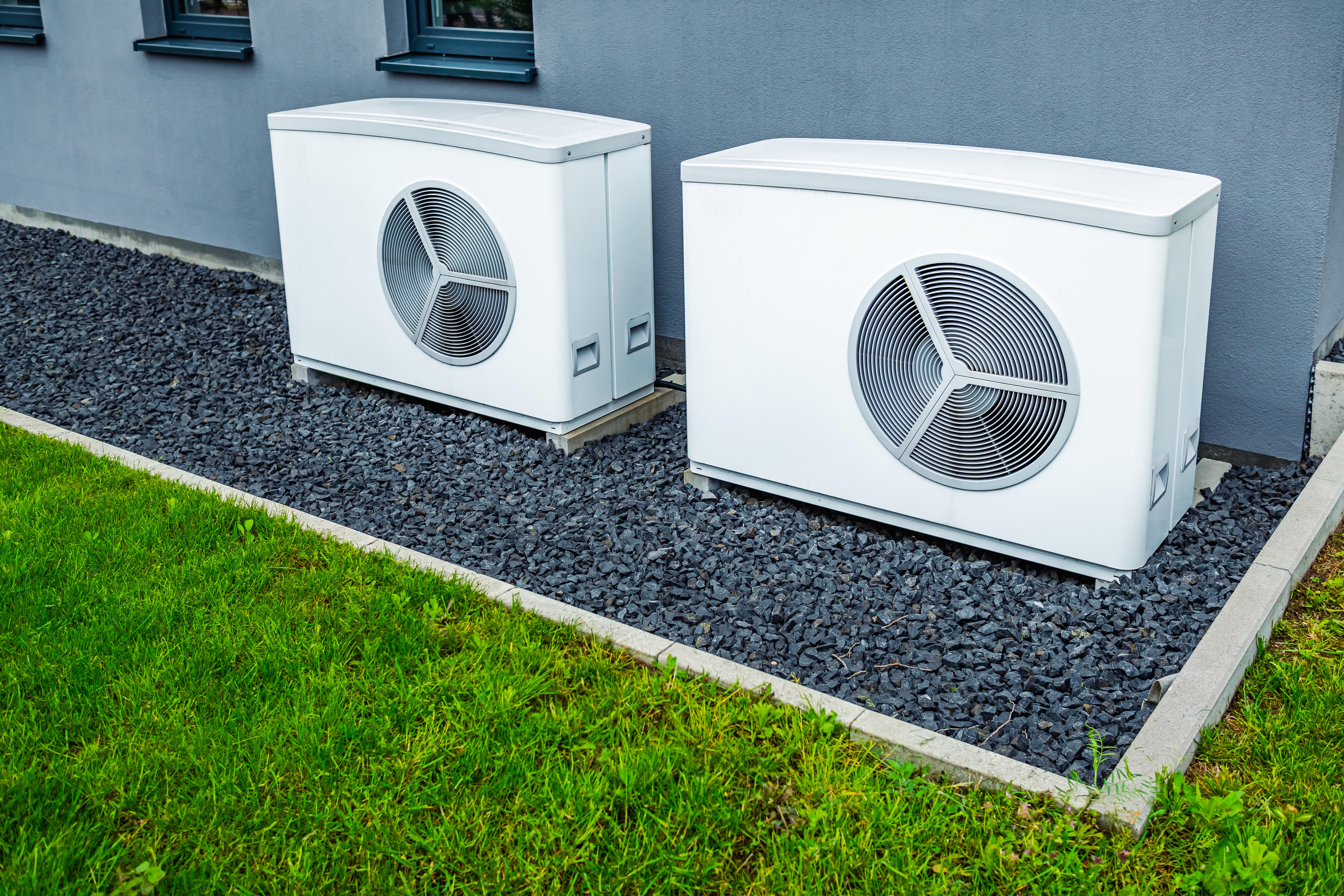
Solar is usually about generating electricity and lowering electric bills. Heat pumps are about changing how the home handles heating and cooling. For households in Massachusetts that still rely on oil, propane, or older HVAC systems, that can be a major shift. Heat pump rebates and financing options help make that shift more accessible.
For some homeowners, the appeal is lower heating costs. For others, it is better comfort, improved efficiency, or a move away from delivered fuels. Either way, Massachusetts heat pump incentives are really about making a larger home energy transition more practical.
Mass Save Heat Pump Rebates
Mass Save heat pump rebates remain one of the most important incentives available to Massachusetts homeowners in 2026. For eligible homes, these rebates can reduce the upfront cost of installation and make the transition to a heat pump more financially realistic. That matters because a heat pump is not just a routine equipment replacement. It can reshape how a home handles heating and cooling for years to come.
The exact rebate depends on the equipment, the home, and the scope of the project, so it makes more sense to ask what applies to your situation than to focus only on the highest advertised rebate amount. Homeowners who are also considering solar should think about this in the context of the full energy picture. A heat pump may increase electric demand, but that demand can sometimes be offset by solar, which is one reason these upgrades are often worth evaluating together.
Mass Save Heat Pump Financing Options
Sometimes the better question is not “What is the total installation price?” but “How does this change the monthly picture?”
That is where Mass Save financing can become especially important. For qualifying projects, Mass Save offers financing with terms of up to seven years, which can make a strong long-term upgrade much more manageable. When the project also reduces operating costs over time, financing can help homeowners move forward sooner rather than delay a worthwhile improvement.
Solar and Heat Pumps in Massachusetts
Some Massachusetts homes benefit most when solar and heat pumps are evaluated side by side, especially when solar and heat pump incentives in Massachusetts are viewed as part of one larger energy strategy.
A heat pump can shift heating demand onto electricity. Solar can help generate that electricity. The result is a more connected home energy strategy in which one upgrade can strengthen the economics of the other.
Not every home should do both. But when the fit is right, pairing solar panels with a heat pump can be much more compelling than approaching either upgrade in isolation.
Why Pair Solar Panels With a Heat Pump
Think of it this way. A heat pump can reduce reliance on oil, propane, or gas, but it may also increase electricity use. Solar helps address that second part of the equation. Instead of simply taking on more electric demand, the home gains the ability to generate more of that energy on-site.
That pairing is one reason many Massachusetts homeowners are looking to pair solar panels with a heat pump rather than treating them as completely separate decisions. For the right home, a solar and heat pump system can create a more efficient and more resilient long-term energy plan.
How Solar and Heat Pump Savings Work Together
The savings can come from multiple directions at once. You may spend less on delivered fuel. You may reduce the electricity costs associated with the heat pump. Massachusetts solar incentives and Mass Save heat pump rebates may lower the cost of a combined solar and heat pump project. Over time, that can lead to a home with lower operating costs and a more resilient long-term energy plan.
Still, this only works when the home is actually a good fit. If the design is weak or the assumptions are inflated, the combination can sound better than it performs. That is why the full home picture matters more than the headline savings claim.
What Matters More Than Rebates
A rebate can improve a good project. It cannot turn a weak one into a strong one. The real drivers of long-term value are fit, design quality, honest modeling, and realistic expectations. Does the home support the upgrade well? Were the savings estimated carefully? Is the proposal built around how the house actually uses energy? Will the decision still look smart years from now?
Those questions do not sound as exciting as a headline incentive, but they are usually the questions that matter most.
Common Mistakes With Massachusetts Energy Incentives
Some mistakes come up again and again.
One is assuming solar no longer makes sense because the federal solar tax credit changed. In Massachusetts, that is too simplistic.
Another is treating Massachusetts net metering and production-based solar incentives as if they are the same thing. They are not.
A third is assuming the largest advertised rebate automatically points to the best project. In reality, the stronger project is often the one built on the most honest assumptions and the best fit for the home.
In a market like this, confusion tends to reward oversimplified sales messaging. Homeowners are usually better served by slowing down and separating marketing claims from the underlying economics.
How to Evaluate Solar and Heat Pump Options
The best place to start is not with a product. It is with your home.
Look at your current utility costs, your heating system, your roof conditions, your electric usage, and how long you plan to stay in the house. Then evaluate which Massachusetts solar incentives, heat pump rebates, and financing options actually apply and how much they change the long-term picture.
This is less about chasing an opportunity and more about making a disciplined decision.
Final Takeaways on Massachusetts Solar and Heat Pump Incentives
Massachusetts still offers real opportunities for homeowners in 2026. Massachusetts solar incentives can still create strong long-term value. Mass Save heat pump rebates still make electrification more accessible. And for some homes, the best outcome comes from treating these upgrades as part of one larger energy strategy.
But the main takeaway is simpler than that.
The right decision depends less on the headline incentive and more on whether the math works for your home.
Explore Solar and Heat Pump Options for Your Home
If you are considering solar, heat pumps, or both, the next step is to look at your home as a whole. The right path depends on your current energy use, heating system, home layout, and long-term goals. A thoughtful evaluation can help you understand which Massachusetts solar incentives, heat pump rebates, and financing options are most likely to pay off over time.
Talk to someone at Great Sky Solar to get started.
Introduction
Massachusetts homeowners still have meaningful incentives for solar, heat pumps, and whole-home electrification in 2026, but the decision is more complicated than a single rebate or tax credit.
The federal incentive landscape has changed, financing structures are evolving, and many homeowners are hearing oversimplified advice about what they should do next. That does not mean the opportunity has disappeared. It means the numbers need to be evaluated more carefully.
For some homes, solar may still be the right first move. For others, heat pumps, insulation, electrical planning, or a phased approach may make more sense. The best answer depends on the home’s energy use, existing equipment, available incentives, and long-term goals.
This guide explains how Massachusetts solar incentives and heat pump rebates work in 2026, what has changed, and how to think through the decision before committing to a project.
Massachusetts Solar and Heat Pump Incentives in 2026
Many homeowners are still asking this question in a very black-and-white way: Are there Massachusetts solar and heat pump incentives in 2026?
Yes, but the answer is more nuanced than it used to be.
The federal residential solar tax credit is no longer available as it was before, and that has changed the market. Still, Massachusetts remains one of the stronger states for homeowners looking at solar and electrification. Massachusetts solar incentives, Mass Save heat pump rebates, utility bill savings, and financing options can still create meaningful long-term value.
For homeowners in Massachusetts, the path forward is less about reacting to a single federal change and more about understanding how state programs continue to shape the economics of solar panels, heat pumps, and broader home energy upgrades.
Massachusetts Solar Incentives
Massachusetts solar incentives can still make solar financially attractive in 2026, but not for the reasons people sometimes expect.
This is not really a story about one dramatic rebate. In most cases, solar savings in Massachusetts come from the stacked value over time. A well-designed solar system can reduce purchased electricity, generate utility bill credits through Massachusetts net metering, and create ongoing value tied to system production. That layered structure is one reason solar can still work well in Massachusetts even after federal changes.
At the same time, this is where homeowners need to be careful. When a solar proposal sounds especially attractive, the important question is not just what the system costs. The more important question is whether the performance assumptions are realistic and whether the savings projections are based on honest modeling.
SMART Program and Solar Credits in Massachusetts
The federal Residential Clean Energy Credit under Section 25D expired on December 31, 2025, so homeowners can no longer claim it in 2026. However, some third-party-owned solar projects may still be eligible for the federal Section 48E credit. In those arrangements, the credit is typically claimed by the project owner and may be reflected through pricing or financing rather than through a homeowner's tax return. That makes it even more important to understand what value may still be available at the state level in Massachusetts.
One of the most discussed state programs is SMART, which stands for Solar Massachusetts Renewable Target. SMART is a production-based incentive program, which means it is tied to how much electricity a solar system generates over time rather than functioning like an upfront rebate. In practical terms, the value comes from solar production, not just from buying less electricity from the utility.
That said, homeowners should be careful not to assume that every installer structures this value the same way or that every project participates in the same way. If a company talks about “solar credits” without clearly explaining whether it means net metering credits, production-based incentives, REC-related value, or another arrangement, it is worth slowing down and asking for specifics.
Massachusetts Net Metering
Massachusetts net metering is another major piece of the solar picture, and it should not be confused with other solar incentive structures.
When your solar panels generate more electricity than your home needs at that moment, the excess energy can become utility bill credits. Those credits can then help offset future electricity use when solar production is lower. For many homeowners, net metering is one of the clearest and most important financial benefits of going solar in Massachusetts.
The challenge is that net metering often gets conflated with broader talk of “solar savings,” making it harder to understand what is actually creating value. Separating the pieces gives homeowners a clearer picture of how Massachusetts solar incentives really work.
Massachusetts Heat Pump Rebates and Incentives
Heat pump incentives in Massachusetts work differently because they are solving a different problem.
Solar is usually about generating electricity and lowering electric bills. Heat pumps are about changing how the home handles heating and cooling. For households in Massachusetts that still rely on oil, propane, or older HVAC systems, that can be a major shift. Heat pump rebates and financing options help make that shift more accessible.
For some homeowners, the appeal is lower heating costs. For others, it is better comfort, improved efficiency, or a move away from delivered fuels. Either way, Massachusetts heat pump incentives are really about making a larger home energy transition more practical.
Mass Save Heat Pump Rebates
Mass Save heat pump rebates remain one of the most important incentives available to Massachusetts homeowners in 2026. For eligible homes, these rebates can reduce the upfront cost of installation and make the transition to a heat pump more financially realistic. That matters because a heat pump is not just a routine equipment replacement. It can reshape how a home handles heating and cooling for years to come.
The exact rebate depends on the equipment, the home, and the scope of the project, so it makes more sense to ask what applies to your situation than to focus only on the highest advertised rebate amount. Homeowners who are also considering solar should think about this in the context of the full energy picture. A heat pump may increase electric demand, but that demand can sometimes be offset by solar, which is one reason these upgrades are often worth evaluating together.
Mass Save Heat Pump Financing Options
Sometimes the better question is not “What is the total installation price?” but “How does this change the monthly picture?”
That is where Mass Save financing can become especially important. For qualifying projects, Mass Save offers financing with terms of up to seven years, which can make a strong long-term upgrade much more manageable. When the project also reduces operating costs over time, financing can help homeowners move forward sooner rather than delay a worthwhile improvement.
Solar and Heat Pumps in Massachusetts
Some Massachusetts homes benefit most when solar and heat pumps are evaluated side by side, especially when solar and heat pump incentives in Massachusetts are viewed as part of one larger energy strategy.
A heat pump can shift heating demand onto electricity. Solar can help generate that electricity. The result is a more connected home energy strategy in which one upgrade can strengthen the economics of the other.
Not every home should do both. But when the fit is right, pairing solar panels with a heat pump can be much more compelling than approaching either upgrade in isolation.
Why Pair Solar Panels With a Heat Pump
Think of it this way. A heat pump can reduce reliance on oil, propane, or gas, but it may also increase electricity use. Solar helps address that second part of the equation. Instead of simply taking on more electric demand, the home gains the ability to generate more of that energy on-site.
That pairing is one reason many Massachusetts homeowners are looking to pair solar panels with a heat pump rather than treating them as completely separate decisions. For the right home, a solar and heat pump system can create a more efficient and more resilient long-term energy plan.
How Solar and Heat Pump Savings Work Together
The savings can come from multiple directions at once. You may spend less on delivered fuel. You may reduce the electricity costs associated with the heat pump. Massachusetts solar incentives and Mass Save heat pump rebates may lower the cost of a combined solar and heat pump project. Over time, that can lead to a home with lower operating costs and a more resilient long-term energy plan.
Still, this only works when the home is actually a good fit. If the design is weak or the assumptions are inflated, the combination can sound better than it performs. That is why the full home picture matters more than the headline savings claim.
What Matters More Than Rebates
A rebate can improve a good project. It cannot turn a weak one into a strong one. The real drivers of long-term value are fit, design quality, honest modeling, and realistic expectations. Does the home support the upgrade well? Were the savings estimated carefully? Is the proposal built around how the house actually uses energy? Will the decision still look smart years from now?
Those questions do not sound as exciting as a headline incentive, but they are usually the questions that matter most.
Common Mistakes With Massachusetts Energy Incentives
Some mistakes come up again and again.
One is assuming solar no longer makes sense because the federal solar tax credit changed. In Massachusetts, that is too simplistic.
Another is treating Massachusetts net metering and production-based solar incentives as if they are the same thing. They are not.
A third is assuming the largest advertised rebate automatically points to the best project. In reality, the stronger project is often the one built on the most honest assumptions and the best fit for the home.
In a market like this, confusion tends to reward oversimplified sales messaging. Homeowners are usually better served by slowing down and separating marketing claims from the underlying economics.
How to Evaluate Solar and Heat Pump Options
The best place to start is not with a product. It is with your home.
Look at your current utility costs, your heating system, your roof conditions, your electric usage, and how long you plan to stay in the house. Then evaluate which Massachusetts solar incentives, heat pump rebates, and financing options actually apply and how much they change the long-term picture.
This is less about chasing an opportunity and more about making a disciplined decision.
Final Takeaways on Massachusetts Solar and Heat Pump Incentives
Massachusetts still offers real opportunities for homeowners in 2026. Massachusetts solar incentives can still create strong long-term value. Mass Save heat pump rebates still make electrification more accessible. And for some homes, the best outcome comes from treating these upgrades as part of one larger energy strategy.
But the main takeaway is simpler than that.
The right decision depends less on the headline incentive and more on whether the math works for your home.
Explore Solar and Heat Pump Options for Your Home
If you are considering solar, heat pumps, or both, the next step is to look at your home as a whole. The right path depends on your current energy use, heating system, home layout, and long-term goals. A thoughtful evaluation can help you understand which Massachusetts solar incentives, heat pump rebates, and financing options are most likely to pay off over time.
Talk to someone at Great Sky Solar to get started.
Share this post


Smarter Energy Starts Here.
Powered by the Sun | © Great Sky Solar | All Rights Reserved
Smarter Energy Starts Here.
Powered by the Sun | © Great Sky Solar | All Rights Reserved
Smarter Energy Starts Here.
Powered by the Sun | © Great Sky Solar | All Rights Reserved